
Children learn in different ways, and finding activities that match their interests can make learning more engaging and meaningful. For children with autism, everyday experiences such as playing with toys, preparing a snack, following a routine, or communicating with family members can create opportunities to develop useful skills.
Applied Behavior Analysis (ABA) therapy uses principles of learning and behavior to support individual goals. Depending on the child’s needs, therapy activities may focus on communication, daily living skills, play, social interaction, and independence. These activities should be adapted to the child’s abilities, preferences, and developmental level rather than following the same plan for every learner.
ABA therapy activities do not need to be complicated or involve expensive materials. Simple games, familiar household items, picture schedules, and favorite toys can provide opportunities to practice important skills. The goal is to help children participate more comfortably in everyday life while respecting their interests, communication styles, and need for breaks.
For parents exploring ABA therapy, understanding how activities support learning can help them work with their child’s clinical team and identify practical ways to encourage development at home.
What Are ABA Therapy Activities?
ABA therapy activities are planned or naturally occurring experiences used to support specific learning goals. A therapist may choose an activity because it provides an opportunity to practice communication, follow a sequence, make a choice, or develop a daily living skill.
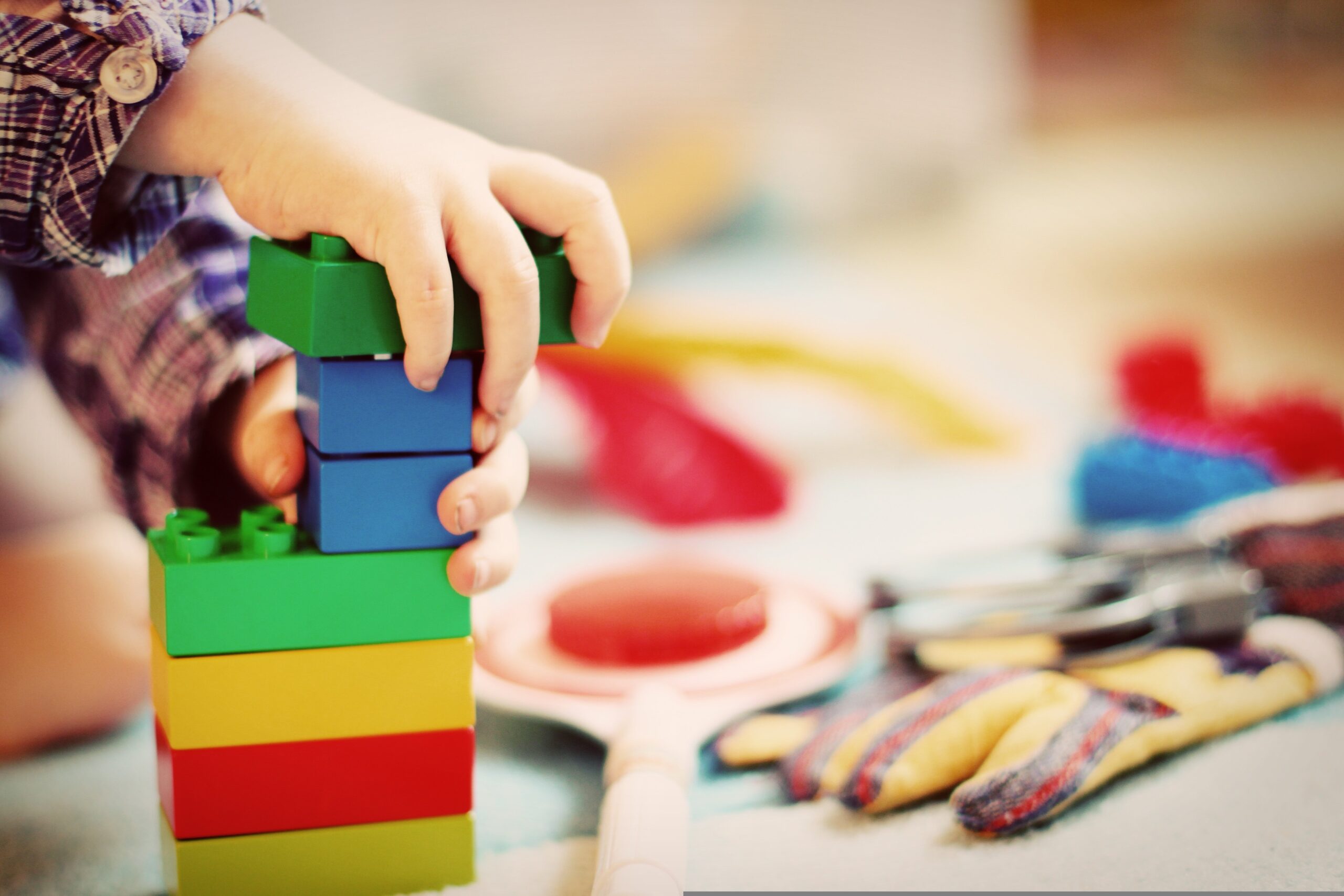
For example, playing with building blocks may create opportunities for a child to request a particular piece, ask for help, or communicate that they want to continue. A simple cooking activity may support following instructions, choosing ingredients, and participating in a familiar routine.
The activity itself is only one part of the process. Therapists consider what skill is being taught, what support the child needs, and whether the experience is helping the child make meaningful progress.
Activities should also be enjoyable and appropriate for the individual child. A child who prefers puzzles may engage more readily with a matching game, while another may prefer movement, music, drawing, or sensory-friendly activities.
The best activities build on a child’s interests instead of forcing them to participate in something that feels uncomfortable or irrelevant.
Play-Based Activities That Encourage Learning
Play provides children with opportunities to explore their surroundings, experiment with materials, and express preferences. In ABA therapy, play-based activities can support communication, flexible thinking, problem-solving, and interaction when those are relevant goals for the child.
Building blocks are one example. A child might choose the colors they want, request a missing piece, or ask for help when a structure falls over. The therapist can support communication without controlling every step of the activity.
Puzzles can also create useful learning opportunities. Depending on the child’s goals, the activity might involve matching shapes, requesting assistance, choosing between pieces, or completing a preferred task independently.
Pretend play may be appropriate for children who enjoy imaginative activities. Playing with toy animals, dolls, vehicles, or miniature household objects can create opportunities to explore different actions and communicate ideas.
However, not every child enjoys pretend play, and children should not be required to play in a particular way. Repetitive play, solitary play, and strong interests can also be meaningful parts of a child’s experience. Activities should support the child’s goals and enjoyment rather than enforce a narrow definition of appropriate play.
Communication Activities for Everyday Needs
Communication is a central part of everyday independence. Children benefit from having effective ways to express what they want, ask for help, make choices, and communicate discomfort.
One simple activity involves offering meaningful choices. A parent or therapist might present two preferred snacks, toys, or activities and allow the child to indicate their selection. The child may respond by speaking, pointing, using a picture, or communicating through an AAC device.
Another activity involves requesting assistance. During a favorite game, a container might be difficult to open, creating a natural opportunity for the child to ask for help if they need it. The adult should respond to the communication attempt rather than unnecessarily prolonging the difficulty.
Picture-based communication activities may help children who benefit from visual information. Pictures can represent favorite activities, everyday needs, or requests for a break. These supports should match the child’s communication system and be used consistently with guidance from appropriate professionals.
The purpose of communication activities is not simply to increase the number of spoken words. It is to ensure that children can express their needs and preferences in a way that works for them.
Turn-Taking and Shared Activities
Some children enjoy playing with others, while others prefer independent activities or brief interactions. When social participation is a meaningful goal, simple shared activities can provide opportunities to practice communication and coordination.
Rolling a ball back and forth, building a tower together, or taking turns adding pieces to a puzzle may be useful starting points. The activity can be adapted to the child’s interest and comfort level.
A therapist might model how to request another turn or communicate that the child wants to continue. The child should also have an opportunity to decline a turn, change activities, or ask for space.
Board games and simple matching games can offer similar opportunities for children who enjoy them. The rules may be simplified, and the activity can begin with a short duration before becoming more involved.
Social learning should not be measured by how closely a child follows conventional expectations. The aim is to help children communicate, share enjoyable experiences when they choose to, and navigate interactions in ways that are meaningful to them.
Daily Living Activities at Home
Household routines offer practical opportunities to develop skills that children can use every day. Depending on the child’s goals, ABA therapy activities may include putting toys away, selecting clothes, washing hands, preparing a simple snack, or organizing school belongings.
For example, a handwashing activity can be divided into manageable steps. A visual guide might show turning on the water, wetting hands, applying soap, rinsing, and drying. The child can practice the steps with appropriate support.
A toy-cleanup activity may involve placing different items into labeled containers. A child may begin with one or two familiar items before working toward a larger part of the routine.
These activities should be adapted to the child’s motor abilities, sensory preferences, and communication needs. Some children may benefit from different materials, additional time, or assistive tools.
The goal is not to make every child complete household tasks in exactly the same way. It is to support participation and develop practical skills that are useful to the child and family.
Visual Schedule Activities for Predictable Routines
Visual schedules use pictures, symbols, or written words to show the steps of a routine. They can help children understand what is happening now and what may happen next.
A morning schedule might include getting dressed, eating breakfast, brushing teeth, and preparing to leave the house. A bedtime schedule could show putting away toys, changing clothes, choosing a book, and preparing for sleep.
The activity can begin by introducing only a few steps. As the child becomes familiar with the schedule, the family may adjust it to reflect changing needs and preferences.
Visual schedules can also support transitions between activities. For example, a picture showing that playtime will be followed by lunch may help a child understand the sequence. Advance notice and opportunities to communicate can make transitions more manageable.
However, a visual schedule should not become a rigid set of demands. Plans sometimes change, and children may need reassurance, flexibility, or extra time. Visual supports are most useful when they improve understanding while allowing children to express concerns and make choices.
Matching, Sorting, and Problem-Solving Games
Matching and sorting activities can provide structured opportunities to practice visual discrimination, categorization, and problem-solving. These activities may use picture cards, household objects, colored blocks, or toys.
A child might sort objects by color, match pictures of familiar items, or group toys according to a feature that makes sense for their learning goal. Another activity could involve matching objects to photographs of where they belong.
These games should be selected according to the child’s current skills and interests. If an activity is too easy, the therapist may introduce a suitable variation. If it is frustrating, the team can simplify the task or choose another approach.
Problem-solving activities can also encourage communication. A child might ask for a missing piece, request clarification, or communicate that they want assistance.
Structured games should be balanced with natural learning opportunities. The purpose is not to complete as many exercises as possible, but to help the child develop skills that are useful and enjoyable.
Movement and Sensory-Friendly Activities
Movement-based activities may help children participate in ways that match their interests and physical abilities. Depending on the child’s preferences, activities could include dancing, walking along a simple path, tossing a soft ball, or completing a familiar movement game.
Some children also enjoy activities involving play dough, water, textured objects, or other sensory materials. These activities may create opportunities to make choices, communicate preferences, and explore different materials.
Sensory experiences should always be guided by the child’s comfort. A child who dislikes a particular texture should not be forced to touch it to complete a therapy task. Children should be allowed to decline, use alternatives, or take breaks.
If sensory differences interfere with daily activities, families may benefit from discussing appropriate strategies with qualified professionals, including occupational therapists when relevant.
Movement and sensory-friendly activities should serve a clear purpose while allowing children to enjoy their preferred experiences. They are not intended to eliminate harmless self-regulatory movements or make every child tolerate the same sensations.
Positive Reinforcement During Activities
Positive reinforcement is often used in ABA therapy to encourage meaningful skills. When a behavior is followed by an outcome that the child finds reinforcing, that behavior may become more likely in similar situations.
For example, when a child independently asks for a favorite toy, the adult may provide access to it when appropriate. If the child completes a step in a preferred activity, they may have the opportunity to continue playing.
Reinforcement should be individualized. Some children appreciate praise, while others prefer choices, access to activities, or other personally meaningful outcomes.
It is important not to use rewards to pressure children into ignoring discomfort or giving up their ability to communicate boundaries. Children should have meaningful opportunities to refuse activities and request breaks.
A supportive approach makes activities engaging without turning every interaction into a test of obedience.
How Parents Can Support Learning at Home
Parents do not need to create formal therapy sessions throughout the day to support their child’s development. Everyday interactions can provide useful opportunities to practice skills while preserving time for rest and family connection.
A parent might offer choices during breakfast, encourage a child to request help with a toy, or use a visual reminder for a familiar routine. These small opportunities can reinforce skills that the child is already learning with their clinical team.
Parents should ask their child’s provider which strategies are appropriate to use between sessions. This helps maintain consistency without introducing conflicting methods or unrealistic expectations.
It is also important to notice what the child enjoys and when they need a break. If an activity becomes frustrating, the family can simplify it, offer support, or try again at another time.
Progress may look different from day to day. A child’s participation can be influenced by sleep, stress, sensory demands, and many other factors. A flexible approach allows learning to remain supportive rather than becoming an additional source of pressure.
Choosing Activities That Match Your Child’s Needs
The most appropriate ABA therapy activities depend on the child’s individual goals, abilities, and preferences. Parents should work with a qualified clinical team to determine which activities are suitable and how progress will be evaluated.
A Board Certified Behavior Analyst may help assess skill needs, develop a behavior-analytic treatment plan, and supervise appropriate interventions within their professional scope. The team should explain why particular activities were selected and how they connect to everyday goals.
Parents should also ask how the provider responds when a child becomes distressed, declines participation, or stops benefiting from an activity. A good provider adjusts the plan instead of expecting every child to respond in the same way.
Activities should support communication, independence, comfort, and meaningful participation. They should not focus solely on compliance or require children to suppress harmless behaviors that help them regulate themselves.
Summary
ABA therapy activities for children with autism can include play-based learning, communication games, daily living routines, visual schedules, matching and sorting tasks, movement activities, and shared games. Each activity can be adapted to support an individual goal.
The most useful activities build on the child’s interests, respect their communication preferences, and create opportunities to practice meaningful skills. Parent collaboration and ongoing assessment help ensure that activities remain appropriate as the child develops.
Final Thoughts
ABA therapy activities do not need to be complicated to make learning meaningful. Simple experiences such as playing with blocks, choosing a snack, following a visual schedule, or asking for help can provide practical opportunities to develop useful skills.
What matters most is how well the activity fits the child. Families should look for a therapy team that listens, adapts activities to individual needs, and recognizes that comfort, choice, and communication are essential parts of learning.
With thoughtful planning and realistic goals, activities can help connect therapy with everyday experiences while giving children opportunities to explore their interests, express themselves, and participate in family life.